Source Rotating Musical Baby Sleeping Toy for Nursery, Travel, and Play
Find and compare 30 rotating musical baby sleeping toy options from verified manufacturers. Evaluate features like soft materials, LED lights, and educational benefits to select the best fit for your inventory needs; compare the available evidence and request quotations based on your requirements.
Key considerations
Products List
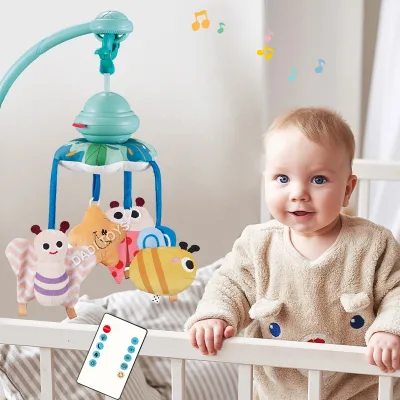
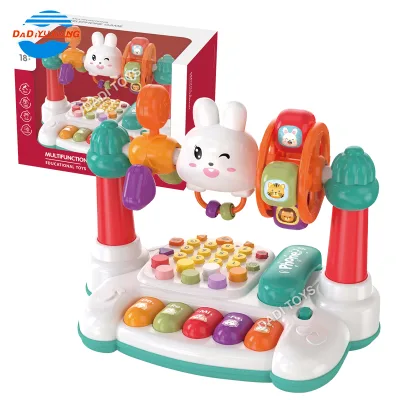
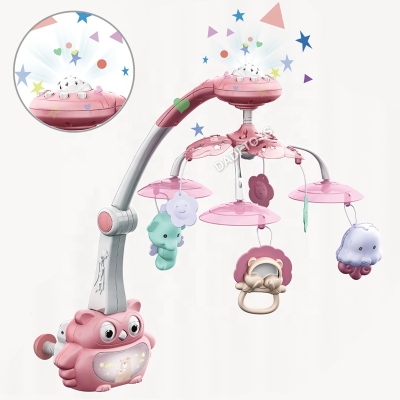
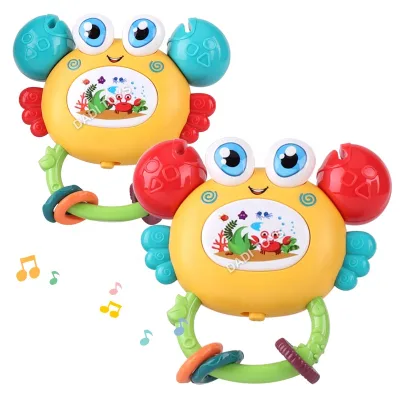


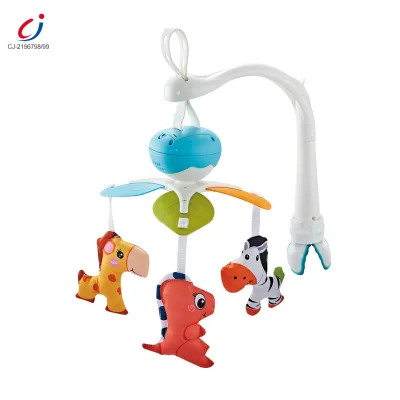
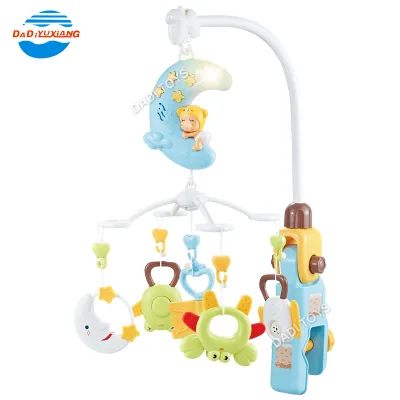
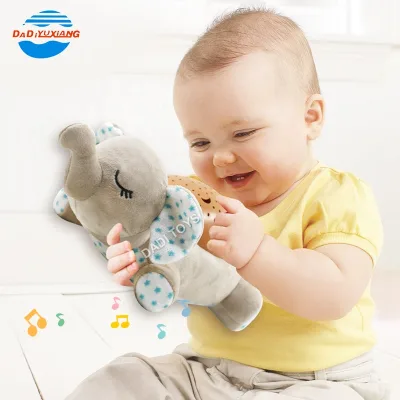
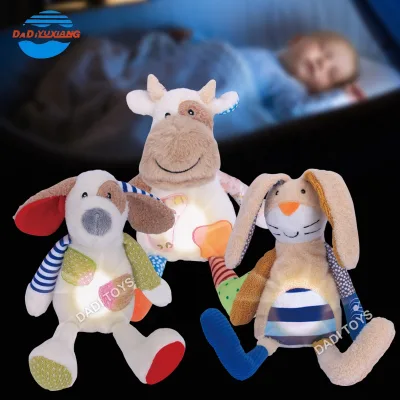


Comprehensive Sourcing Guide
Rotating Musical Baby Sleeping Toy Sourcing Guide
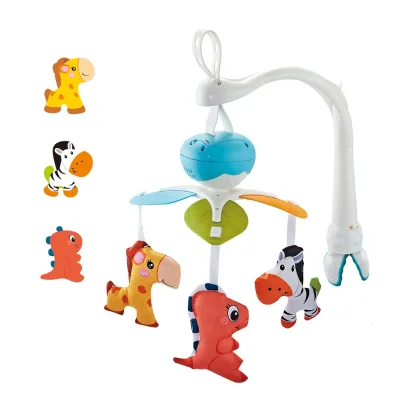
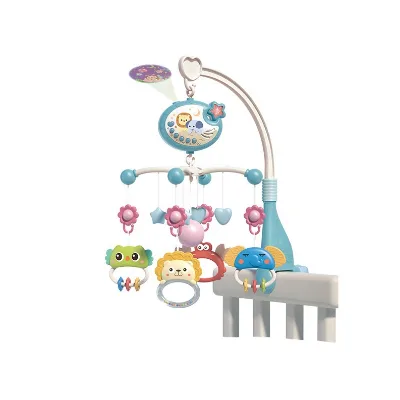
This category encompasses interactive devices designed to soothe infants through gentle motion and auditory stimulation, specifically targeting the developmental needs of babies aged 0 to 24 months. Procurement teams should prioritize products that integrate soft materials and rotating mechanisms to ensure safety during sleep environments, as observed in listings featuring soft bed bells and musical elements. These toys often serve dual purposes as educational tools that encourage sensory tracking while providing comfort, making them suitable for both home use and early childhood care facilities.
Buyers must carefully evaluate the age appropriateness of each unit, as the observed data indicates a wide range from 0 to 24 months up to 13 years, requiring distinct safety protocols for different developmental stages. When sourcing, verify that the specific model aligns with the intended user group, particularly noting that some units are explicitly marked for infants as young as 7 to 9 months, while others target toddlers. Ensuring the product matches the specific age bracket is critical to prevent choking hazards and to guarantee that the mechanical features, such as rotation speed and volume, are safe for the target demographic.
Product Scope and Observed Listing Signals
The market for these items includes distinct variations such as remote-controlled bed bells, puzzle busy boards, and soft musical toys, each serving unique engagement strategies for young children. Listings frequently highlight features like color boxes, window boxes, and specific packing sizes, which indicate the level of retail readiness and the potential for direct shelf placement. Buyers should note that some suppliers offer customization options and lower minimum order quantities for market testing, allowing for flexible entry strategies without committing to large initial inventory volumes.
Procurement signals also reveal significant variance in packaging dimensions and carton quantities, ranging from single items to bulk packs of 120 pieces per carton. This variation impacts logistics planning and storage requirements, necessitating a clear understanding of the carton size and CBM for each specific model before finalizing orders. Additionally, the presence of multiple model numbers within a single listing suggests a modular product line, where buyers can mix and match SKUs to diversify their inventory while maintaining a cohesive brand identity across different product types.
Technical Specifications to Verify
Technical due diligence requires a precise verification of physical dimensions, including packing sizes and carton measurements, to ensure compatibility with shipping containers and retail shelving. Observed specifications range from compact single-package sizes of 15.5 cm to large cartons measuring over 100 cm in length, directly influencing freight costs and warehouse space allocation. Buyers must confirm the exact PCS per carton and CBM values for each selected model to accurately calculate landed costs and avoid unexpected logistical bottlenecks during the import process.
Material composition and functional attributes are equally critical, with plastic being a common material used in construction alongside soft features for infant safety. The functional design often includes musical elements and rotating capabilities, which must be tested for durability and noise levels to ensure they meet the intended soothing purpose without causing distress. Verification of the model numbers, such as DD695899 or DD725339, is essential to trace specific technical configurations, ensuring that the ordered units match the exact functional requirements and safety standards expected for the target market.
Compliance and Safety Documentation
Safety compliance is non-negotiable for infant products, and buyers must demand valid certification documents such as EN71, ENCE, and ASTM before finalizing any purchase. These standards address mechanical safety, chemical composition, and electrical safety, ensuring that the toys do not pose risks like sharp edges, toxic materials, or excessive noise levels that could harm developing senses. Procurement teams should verify that the certification applies specifically to the model being ordered, as different product lines may undergo distinct testing protocols depending on their complexity and intended age group.
Documentation review should also extend to the supplier's quality management systems and their ability to provide batch-specific test reports upon request. While some listings mention certifications, buyers must ensure these are current and issued by recognized third-party laboratories rather than self-declared claims. The absence of clear certification data for specific models should trigger a halt in the ordering process, as importing non-compliant toys can lead to customs seizures, product recalls, and significant reputational damage in the competitive children's toy market.
Cost Drivers and Commercial Terms
Pricing in this sector is influenced by material costs, packaging complexity, and the level of customization required for specific market needs. Observed price ranges vary significantly, reflecting differences in features like remote control capabilities, musical complexity, and the quality of the color or window box packaging. Buyers should analyze the unit price against the MOQ, noting that some suppliers offer flexible terms for smaller test orders, which can help mitigate financial risk during the initial market entry phase.
Commercial terms also include the supply ability and lead time, which are critical for maintaining inventory stability and meeting seasonal demand peaks. Suppliers with a stated supply ability of 30,000 pieces per month can generally support larger orders, but buyers must confirm if this capacity is consistent during peak production seasons. Additionally, the MOQ of 5 cartons serves as a baseline for most transactions, though some flexibility may exist for new clients, requiring clear negotiation on payment terms and delivery schedules to align with cash flow requirements.
Supplier Qualification and Quality Control
Supplier qualification begins with verifying the place of origin, as manufacturing hubs like Guangdong and Shantou have established reputations for specific types of toy production. Buyers should assess the supplier's track record in producing educational toys and their ability to maintain consistent quality across different model numbers and production batches. Requesting samples from the same production line as the bulk order is essential to validate that the final product matches the prototype in terms of material softness, sound quality, and mechanical reliability.
Quality control protocols must be strictly enforced, including pre-shipment inspections that check for defects in the rotating mechanisms, battery compartments, and packaging integrity. Given the target age group, any failure in the product's structural integrity or safety features can result in severe consequences, making third-party inspection services a valuable investment. Buyers should also evaluate the supplier's responsiveness to quality issues and their willingness to implement corrective actions, ensuring a reliable partnership that prioritizes the safety and satisfaction of the end consumer.
Long-Term Procurement Checks
Sustainable procurement requires ongoing monitoring of supplier performance and product consistency over multiple order cycles to ensure long-term reliability. Buyers should establish key performance indicators related to defect rates, on-time delivery, and responsiveness to quality concerns, using these metrics to make informed decisions about future orders and supplier relationships. Regular audits and feedback loops help identify potential issues early, allowing for proactive adjustments to specifications or production processes before they impact the supply chain.
Market trends and regulatory changes in the children's toy industry also necessitate a proactive approach to product development and sourcing strategies. As safety standards evolve and consumer preferences shift towards more interactive or educational features, buyers must stay informed to ensure their product offerings remain competitive and compliant. Building a diversified supplier base and maintaining open communication channels with manufacturers will help mitigate risks and ensure a steady supply of high-quality rotating musical baby sleeping toys that meet the evolving needs of the market.
FAQs
What age range is suitable for this rotating musical baby sleeping toy?
The toy is designed for infants and toddlers aged 0 to 24 months, as well as children aged 2 to 4 years. Some models are also suitable for ages 5 to 7 and 8 to 13 years. The product is unisex and features soft materials to ensure safety and comfort for young children during sleep or play.
What certifications does the rotating musical baby sleeping toy have?
The product holds En71, EnCE, and ASTM certifications, ensuring compliance with international safety standards for children's toys. These certifications verify that the materials and construction meet rigorous quality and safety requirements, providing peace of mind for parents and buyers regarding the toy's suitability for young children.
What is the minimum order quantity for this educational toy?
The minimum order quantity is 5 cartons. This low MOQ allows buyers to test the market with smaller initial orders. The supplier offers customization and flexible packaging options, making it easier for new importers to start sourcing this rotating musical baby sleeping toy without committing to large inventory volumes immediately.
Where is the rotating musical baby sleeping toy manufactured?
The toy is manufactured in Guangdong, China, with some production also located in Shantou. These regions are known for their robust manufacturing capabilities in the toy industry. Buyers can expect consistent quality and efficient production processes, supported by a supply ability of 30,000 pieces per month to meet various order sizes.
What packaging details are provided for this baby bed bell toy?
The toy is packaged in a color box or window box, depending on the specific model. The single package size varies, with carton sizes ranging from approximately 61x34.5x54.5 cm to 64x44x73 cm. The packaging is designed to protect the product during transit while presenting it attractively for retail display and gifting purposes.